Totteridge furniture removals access and driveway tips
If you are planning a move in Totteridge, the awkward bit is often not the sofa or the wardrobe. It is the access. Tight driveways, parked cars, low branches, narrow turns, awkward front steps, and that one gate that never seems quite wide enough can all slow a move down fast. These Totteridge furniture removals access and driveway tips are here to help you think ahead, avoid the usual headaches, and make the day feel calmer from the first knock on the door.
In our experience, the smoothest home moves are rarely the ones with the biggest vans or the fanciest packing materials. They are the ones where someone checked the approach, measured the gap, and made a sensible plan. Simple, really. But easy to miss when you're busy juggling keys, boxes, and a kettle that somehow still needs descaling.
This guide covers how access affects a move, what to check before removal day, how to manage driveways safely, and which small decisions can save you time, stress, and unnecessary lifting.
Table of Contents
- Why access and driveway planning matters
- How the move works in practice
- Key benefits and practical advantages
- Who this is for and when it makes sense
- Step-by-step guidance
- Expert tips for better results
- Common mistakes to avoid
- Tools, resources and recommendations
- Law, compliance, standards, or best practice
- Options, methods, and comparison
- Case study or real-world example
- Practical checklist
- Conclusion
- Frequently Asked Questions
Why Totteridge furniture removals access and driveway tips Matters
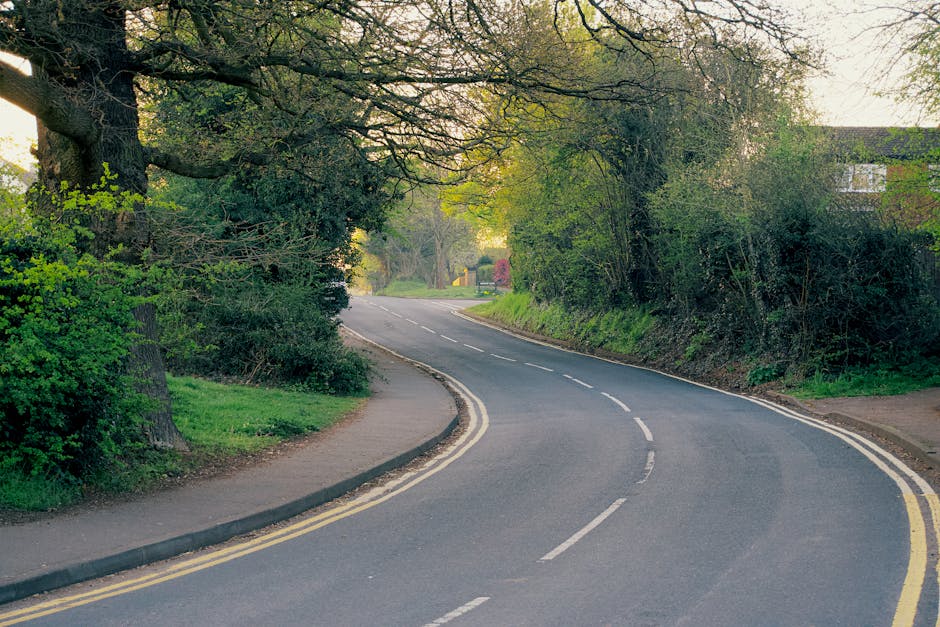
Totteridge has plenty of attractive homes, but that charm can come with practical quirks. You may have a long private drive, a narrow entrance, a shared turning space, or a front garden wall that leaves little room to manoeuvre. Some properties are straightforward from the road and then become fiddly at the last ten metres. Others look awkward from the outside but are actually fine once the route is planned properly.
Why does this matter so much? Because access affects almost everything in a furniture move: vehicle choice, loading time, manpower, parking position, manual handling, and even how likely something is to get scuffed. A bad approach can turn a normal job into a slow, frustrating one. A good approach can make a whole move feel almost boring. And honestly, boring is often exactly what you want on moving day.
It also matters for safety. A van parked on a slope, a trolley rolled over uneven paving, or a sofa lifted through a gap that is just a bit too tight can all create avoidable strain and damage. Add a damp morning, a bit of rain on the driveway, or a delivery van already blocking the street, and you can see how quickly things become messy.
People sometimes assume access issues are only a problem for very large removals. Not quite. Even a small flat move can run late if the parking position is poor or the front path is hard to navigate. In Totteridge especially, where properties and plot layouts vary a lot, the details really do matter.
Expert takeaway: the best move plan is not the one with the most effort on the day. It is the one that removes awkward decisions before the van arrives.
How Totteridge furniture removals access and driveway tips Works
The basic process is simple, although the details can get a little fiddly. A removal team needs a clear, safe route from the property to the vehicle. That route should be as direct as possible, with enough width, headroom, and ground stability for lifting and wheeling furniture. If the driveway or access point is limited, the plan changes around that reality rather than fighting it.
Here is how it usually works in practice. First, you assess the approach from the road. Then you look at parking options, turning space, and how close the vehicle can get to the front door or garage. Next, you check the actual moving route inside and outside the property. That includes steps, gradients, garden paths, gates, porch roofs, and anything that might catch on a mattress or wardrobe corner.
In a lot of local moves, the ideal is a short carry from the house to the van. But short is not always possible, and that is fine. A careful team can still work well with a longer carry if it is planned properly. The key is to know the limitations before the pressure of the day kicks in.
There is also a difference between what looks possible and what is practical. A van may technically fit in a driveway, but if there is no room to open doors fully, pivot furniture, or reverse out safely, that is not really a fit. Same for stairs that are fine for one person but awkward for two carrying a heavy chest of drawers. The little things add up.
For larger or more complicated moves, it helps to think of access as part of the service rather than a side issue. That is one reason many people compare broader removal services rather than focusing only on the vehicle itself. The vehicle matters, but so does the plan around it.
Key Benefits and Practical Advantages
Good access planning is not just about avoiding drama. It gives you a set of very real advantages that make the whole day easier to live through.
- Less damage risk: fewer tight turns and fewer rushed lifts mean less chance of scraped walls, chipped furniture, or crushed corners.
- Faster loading: when the van can park sensibly, the team spends less time walking back and forth.
- Lower strain: carrying heavy pieces farther than necessary is tiring, and nobody benefits from a tired lift.
- Better scheduling: if access is clear, timing is more predictable. That helps if you are handing keys over or waiting for cleaners.
- Calmer atmosphere: this one gets overlooked. A move feels less chaotic when no one is improvising every five minutes.
There is also a financial angle, even if people do not like to say it out loud. Poor access can increase time on site, which may affect the overall cost of a move depending on how the job is priced. Clear information helps everyone estimate properly and prevents awkward surprises later. A bit of honesty up front is cheaper than guessing.
Another practical benefit is crew efficiency. A team that knows the route, the parking limits, and the tricky points can bring the right kit and assign the right number of people. That might mean a narrower vehicle, extra blankets, or more careful sequencing for bulky items. Not dramatic, just smart.
And if you are moving into or out of a busy stretch where parking is tight, the advantage is even bigger. The van can arrive ready to work instead of hunting for space while you stand at the front door wondering whether that hatchback will ever move.
Who This Is For and When It Makes Sense
These tips are useful for almost anyone moving furniture in Totteridge, but they matter most if your property has one or more of the following:
- a steep or sloping driveway
- a narrow entrance gate
- limited on-street parking
- a shared access road or courtyard
- a long walk from the road to the front door
- steps, split levels, or a raised entrance
- oversized furniture such as wardrobes, corner sofas, or American-style fridges
- delicate flooring or a freshly cleaned path
It also makes sense if you are arranging a move for someone else. A family member may not think to mention the low branch over the drive or the tight bend by the garage. That sort of thing comes up all the time. Truth be told, people often forget the stuff that feels obvious to them because they walk past it every day.
If you are comparing moving options, access should shape the type of service you choose. For a lighter, simpler move, a flexible team with a smaller vehicle may be perfect. For heavier loads, awkward furniture, or multiple stops, you may want something more structured, such as man and van support or a larger crew with more lifting capacity.
One more thing. If you are moving from a basement flat, a townhouse, or a house with a particularly narrow frontage, do not wait until the last day to mention it. That is the sort of detail that sounds minor until the sofa is halfway through the hallway.
Step-by-Step Guidance
Here is a practical way to handle access and driveway planning without overcomplicating it.
1. Walk the route before moving day
Stand at the road and walk the exact path the furniture will take. Look for narrow points, uneven paving, overhanging branches, low porch roofs, slippery sections, and anything else that could interfere with a carry. If you need to duck, twist, or sidestep while empty-handed, expect the same route to feel worse with a mattress in your hands.
2. Measure the key gaps
You do not need to become a surveyor. Just measure the width of gates, doors, and the tightest corners. Also note ceiling height in hallways if you have wardrobes or tall cabinets. A few basic measurements can prevent the classic moment where everyone says, "It looked wider than that."
3. Check turning space and parking
Can a van reverse in and out safely? Is there space to unload without blocking the whole street? Is there enough room to open the rear doors fully? If the driveway is too small for the van itself, you may need an alternative parking plan. In some cases, a smaller moving van is a much better fit than trying to force a larger vehicle into an awkward space.
4. Clear the access path
Remove plant pots, bins, loose stones, muddy mats, bikes, and anything else that reduces the usable width. If it has wheels, move it. If it might tip, move it. If it looks like someone might say "that will be fine," move it anyway.
5. Protect surfaces
Lay down covers or runners where needed, especially on polished floors, freshly cleaned tiles, or fragile outdoor paving. If it has rained, take extra care with slippery steps and driveways. A damp stone path can look harmless and then betray you in one ridiculous second.
6. Brief the removals team properly
Tell them the awkward bits: low branches, steep ramps, soft ground, narrow doors, or any parking restrictions nearby. Also say whether you expect a long carry. Good communication at this stage saves time later and helps the team arrive prepared.
7. Separate priority items
Keep essentials, documents, and valuables aside so they do not get mixed into the main load. It sounds obvious, but in the middle of a moving day, obvious things can disappear into a box marked "miscellaneous" with uncanny speed.
8. Keep the route clear until the last item is loaded
Once the move starts, resist the urge to leave shoes, laundry baskets, recycling, or a rogue lamp in the way. The last ten minutes are where accidents happen if everyone gets relaxed too early.
Expert Tips for Better Results
A few small habits make a surprisingly big difference.
- Book the parking reality, not the fantasy. If a van cannot fit your drive comfortably, plan for roadside parking from the start.
- Use the shortest workable route. Avoid passing bulky items through extra rooms just because it seems tidy. Tidy is nice. Efficient is better on move day.
- Think about the weather. A dry driveway at 8 a.m. can become slick by lunchtime. British weather, doing its thing.
- Protect door frames in advance. It takes minutes and saves a lot of swearing later.
- Keep children and pets away from the loading path. They are curious. The van doors, less so.
- Sort fragile pieces first. Mirrors, glass tables, and odd-shaped lamps are easier to manage before the day gets crowded.
If you have awkward furniture, disassemble where sensible. Bed frames, removable shelves, table legs, and cabinet doors can make access far easier. Just keep screws and fittings bagged and labelled. Otherwise, the reassembly stage becomes a tiny archaeology project.
And here is a small but useful one: take quick phone photos of the driveway, front approach, and parking situation before the move. It helps if you later need to explain access to a removals company, and it is surprisingly useful when everyone's memory gets hazy after a long day.
For people doing a full house move rather than a simple furniture pick-up, it can also help to compare home moves support with more focused loading help. Different jobs need different levels of hands-on assistance, and there is no prize for choosing the most complicated option.
Common Mistakes to Avoid
These are the errors that cause the most unnecessary stress.
- Assuming the van will fit the driveway. It might, or it might not. Check first.
- Ignoring overhangs and low obstacles. A narrow gap is not the only issue; height matters too.
- Leaving cars in the way. One blocked driveway can disrupt an entire schedule.
- Forgetting to mention steps or slopes. These affect pace and lifting method.
- Underestimating bulky furniture. A sofa that fits through the door may still need a careful turn in the hallway.
- Not planning for wet or icy conditions. Safety goes down very quickly on a slick surface.
- Waiting until the van arrives to discuss access. By then, it is a bit late, isn't it?
Another common mistake is assuming that because a route worked for a delivery driver once, it will automatically work for a removals job. Those are not always the same thing. A driver dropping off a box is not dealing with the same level of risk, weight, or repetition as a whole furniture load.
Also, do not forget the internal layout of the home. People spend a lot of time thinking about the driveway and then realise the staircase has a turn that barely allows a mattress through. That is one of those moments that makes everyone stare at the ceiling for a second. A deep breath helps.
Tools, Resources and Recommendations
You do not need specialist gear for every move, but the right basics help a lot.
| Tool or item | Why it helps | Best for |
|---|---|---|
| Furniture blankets | Protect corners and finishes during tight carries | Cabinets, tables, bed frames |
| Gloves with grip | Improve handling and reduce slips | Heavy or awkward items |
| Door frame protectors | Reduce scuffs on narrow routes | Hallways, porch doors, stair turns |
| Trolley or sack truck | Helps move boxes and lighter items more efficiently | Longer carries or flat surfaces |
| Floor covers | Protects indoor and outdoor surfaces | Wet days, polished floors, tiled entries |
| Basic tape measure | Confirms widths and heights before move day | Gates, doors, furniture gaps |
If you want a more hands-off move, it is also worth looking at house removals support that can handle the loading, transport, and tricky access planning as one coordinated job. That can be particularly helpful for larger family homes or properties with awkward parking.
For business moves or mixed-use properties, the same access logic applies. Loading bays, client parking, stairs, and internal corridors can all create delays if nobody checks them in advance. In that case, a more structured option like commercial moves may be the better fit.
Law, Compliance, Standards, or Best Practice
This is the area where caution and common sense matter. Driveway access, parking, and loading must always be handled in a way that keeps people safe and avoids causing nuisance or obstruction. Local restrictions can vary, especially around parking, dropped kerbs, controlled zones, and shared access areas. If you are unsure, check the practical situation for your street or property before moving day rather than assuming it will be fine.
From a best-practice standpoint, a removals team should use safe lifting methods, keep walkways clear where possible, and avoid forcing furniture through spaces that are plainly too tight. Good manual handling is not about macho effort. It is about control, communication, and not rushing when a turn looks awkward.
Insurance also matters. If a property has narrow access, it is sensible to ask how the team handles risk to both belongings and surroundings. That does not mean expecting perfection. It means wanting a professional process that recognises real-world moving conditions. For more background, some readers like to review insurance and safety information alongside the quote.
Best practice also includes being honest about access. If the driveway is only usable for small vehicles, say so. If there is a shared path with neighbours, mention that too. In many cases, cooperation keeps everyone happier than last-minute improvisation. No drama, no blocked gates, no irritated neighbour peering over the hedge at 7.30 in the morning.
Options, Methods, and Comparison Table
There is no single perfect method for every Totteridge property. The right choice depends on driveway size, street parking, furniture volume, and how much help you want on the day.
| Method | Best for | Pros | Trade-offs |
|---|---|---|---|
| Driveway loading | Properties with enough space for safe vehicle access | Fast, efficient, shorter carry distances | Requires clear turning room and safe surface |
| Roadside loading | Homes where the driveway is too narrow or steep | Flexible and often easier to arrange | May involve a longer carry and parking awareness |
| Smaller vehicle approach | Restricted entrances or tight residential roads | Better manoeuvrability, easier positioning | May need more trips or a lighter load plan |
| Full-service move | Busy households or complex furniture layouts | Less stress, more support with planning and lifting | Usually more coordination required |
The useful question is not "Which method is best in theory?" It is "Which method fits my actual property?" That one question saves a lot of wasted effort. If you are not sure, a team used to local residential access will usually be able to spot the sensible option quickly.
Case Study or Real-World Example
Imagine a family moving from a Totteridge semi-detached house with a narrow driveway, a turning bay that is partly used by bins, and a front path bordered by flowerbeds. On paper, the house seems straightforward. In reality, the van cannot safely swing into the drive without blocking the pavement, and the front door sits up two steps from a slightly sloped path.
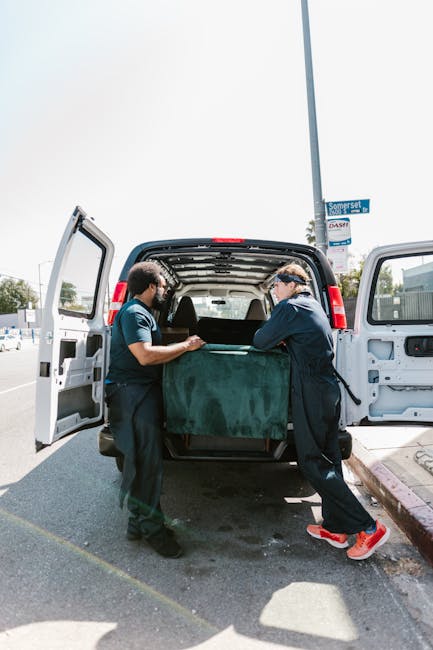
Instead of forcing the vehicle in, the move is handled with roadside parking in a position that keeps the carry route short and clean. The team clears the path, protects the steps, and uses blankets for a dining table with a sharp edge that would otherwise catch on the door frame. The hallway is narrow, so the large wardrobe is taken apart before loading. Not glamorous. Very effective.
The result? Fewer pauses, no damaged bedding, no corner chipped off the banister, and no one having to make that awkward "well, this is fun" face that appears when a sofa gets stuck halfway. The whole thing still takes effort, of course. Moves always do. But it is controlled effort, which is a much nicer thing to deal with.
That is really the point of good access planning. You are not trying to make moving day perfect. You are trying to remove the unnecessary friction so the hard parts stay manageable.
Practical Checklist
Use this checklist a few days before the move and again on the morning itself.
- Measure gates, doors, hallways, and any tight turns
- Check whether a van can park on the driveway safely
- Confirm if roadside parking will be needed instead
- Clear bins, bikes, pots, and loose items from the access route
- Protect floors, steps, and door frames
- Flag any slopes, low branches, or overhead restrictions
- Tell the removals team about shared access or neighbour considerations
- Disassemble bulky furniture where appropriate
- Keep essentials and valuables separate
- Check the weather and allow extra caution if surfaces may be wet
- Make sure children and pets are kept away from the loading area
- Take photos of any especially awkward access points
Quick summary: if you can walk the route safely, measure the tight spots, and keep the driveway clear, you are already most of the way to a smoother move.
Conclusion
Totteridge furniture removals access and driveway tips are not glamorous, but they are exactly the kind of practical details that make a move feel controlled instead of chaotic. A few measurements, a realistic parking plan, and a clear route can save you time, protect your furniture, and reduce stress on the day.
The best moves are usually the ones where people did a little thinking beforehand. Not a huge amount. Just enough to notice the narrow gate, the sloped drive, the awkward branch, and the fact that the wardrobe will not magically shrink. Once those things are accounted for, everything else tends to run more smoothly.
If you are preparing a move in Totteridge, take the access seriously, keep your plan simple, and ask for help where it is needed. A calm move is still a real possibility. Sometimes that is the nicest surprise of the day.
Get a free quote today and see how much you can save.
Frequently Asked Questions
What should I check first for Totteridge furniture removals access?
Start with the driveway width, gate size, turning space, and the walking route from the road to the front door. Then look for steps, slopes, low branches, and anything that could make carrying furniture awkward. Those basics tell you most of what you need to know.
Can a removals van use a narrow Totteridge driveway?
Sometimes yes, sometimes no. It depends on the width, gradient, turning room, and whether the vehicle can enter and leave safely. Even if a van technically fits, it may still be better to load from the road if that gives a safer, cleaner workflow.
How do I prepare my driveway for moving day?
Move bins, bikes, planters, cars, and loose items out of the way. Sweep away debris, check for slippery patches, and make sure the access route is as open as possible. If the surface is fragile, wet, or uneven, take extra care with floor protection and footing.
What if my furniture is too big for the doorway or hallway?
Disassemble what you can before move day. Remove table legs, bed frames, cabinet doors, and shelves where practical. If something still looks too large, tell the removals team early so they can plan the best route or bring the right equipment.
Is it better to park on the driveway or the road?
Whichever option is safer and gives better access. A driveway is great if it offers enough room to load without damaging the surface or blocking movement. Roadside parking may be better where the drive is tight, steep, or awkward to turn into.
How much notice should I give about access problems?
As soon as you know about them. Early notice helps with vehicle choice, timing, and crew planning. Waiting until the van arrives can create pressure that nobody needs, especially if there is a hidden slope or a very narrow turning point.
Do I need to measure anything before booking removals?
Yes, if the property has tight access. A few simple measurements of gates, doors, hallways, and the narrowest point on the route can prevent surprises. You do not need a full survey, just enough detail to make a sensible plan.
What are the biggest access risks on a moving day?
The biggest risks are poor parking, slippery surfaces, narrow entrances, low overhangs, and rushed lifting through tight spaces. Most damage happens when people try to force a piece of furniture through a route that needs a slower, more careful approach.
Should I worry about neighbours or shared driveways?
Yes, in a practical sense. Shared access needs a bit of courtesy and coordination so nobody gets blocked in or left unable to use their space. A quick heads-up can prevent tension, which is always nicer than trying to explain a blocked driveway at the wrong moment.
How do I know whether I need a smaller van?
If the entrance is tight, the driveway is short, or turning space is limited, a smaller vehicle can be far easier to manage. The goal is not to get the biggest van available. It is to choose the one that actually fits the property and the furniture load.
What can I do if the driveway is too steep?
If the driveway is steep, loading from the road or a flatter parking position may be safer. Steep surfaces can make wheeled equipment unstable and make lifting more tiring. It is usually better to adjust the plan than to wrestle with the slope.
How can I make moving day less stressful overall?
Keep the access route clear, prepare the furniture early, and communicate the awkward bits before the team arrives. A simple plan, a realistic parking choice, and a little patience go a long way. And if you can make yourself a cup of tea before the first box comes out, do that. It helps more than people admit.